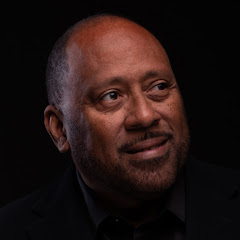
0:06 So welcome to another Frank Ski Frankly Speaking podcast. And today's show is probably one of the most important shows that I'll ever do, not only because of the person that I'm speaking with, but because of the subject we're talking about. And that is mental health. As you know, August, Grief Awareness Month. My special guest with me today is the one and only Shanti Dawes.
0:31 Welcome. Hi, Frank. How are you? I'm wonderful. Thanks for having me.
0:33 No, thank you. You're one of my favorite people. I hope you know that. Oh, you're one of my favorites. You don't even know.
0:38 Shanti Dolls, of course, speaker, author, podcast host, entertainment industry veteran, philanthropist, and most importantly, a mental health advocate. You know, before we get into the question about you, why did mental health become so important for you? So, Frank, uh, my dad took his own life when I was 7 months old. So it was something that was thrust upon our family. You know, I was so young, I was a baby.
1:06 And once I got old enough and realized that my dad wasn't coming back, you know, that was one thing. But then finding out how he passed away, that he took his own life, that was a whole different story. And so it was very traumatic for me. And I, I really got mad and angry at my dad, which, you know, anger is, is one of the stages of grief. And so I went through that for a long time and didn't really talk about it.
1:28 And so fast forward, you know, we both had wonderful careers in entertainment. And as the stress started building for me, I didn't know how to deal with that stress. Back then, nobody was talking about EAP programs and wellness checks in the office. It wasn't a thing, making sure we had resources for that type of thing. And so I ended up quitting and walking away at the height of my career.
1:50 I was executive vice president right under Sylvia Rhone at Universal Motown and making a lot of money and doing my dream job that I thought. And you walked away? I walked away and then came back home. Hold on. Hold it right there.
2:02 Okay. Because this is why this is so very important. So now that we've set the stage, let's take a walk back. Okay. Tell me about Shanti Dawes as a kid.
2:15 Shanti as a kid was pretty much a happy kid. I loved music. I loved being around people. I was social. My mom and uncle used to have parties at the house.
2:25 And so my mom did a good job of trying to still help us really enjoy our childhood, if you will. Now, my sister ended up having to help raise us, so she was kind of forced to grow up at a young age. But my brother and I, we had a good childhood, and I love music, I love movies, I love school. I had a lot of friends. I would go ride my bike and play outside till the streetlights came on.
2:49 And where'd you grow up? Right in Southwest Atlanta, right off of Peyton Road on Tangle Drive. Yeah. Okay. Right in the SWAT.
2:56 So you're one of the original ones? I am one of the original SWAT members, yeah. 404 area code and all.
3:02 And that's what makes this so interesting. And I want people that are watching this right now, I want you to understand that Atlanta became a huge mecca, and it still is, for Black entertainment. And the people that made it happen, the nucleus of all those people were from right here in Atlanta. And you were part of that. And I mean, you got to So people on my street, we had the superintendent of Atlanta Public Schools that lived on my street.
3:33 People were lawyers, doctors, educators. And even though I didn't come from money, it was like our own Wakanda back then. So it wasn't a matter of if I would succeed, it was just like how, what route would I take? Because I was around so much Black excellence. Even when I was in high school, I ended up taking Andrew Young's son, Beau, to school some mornings, he and his best friend Reggie, who lived around the corner.
3:59 So like, it was all around us. And so we saw people that were in the civil rights struggle. We saw people who were entrepreneurs. You know, I grew up going to Maynard Jackson's house, you know, Buzzy's home, you know, and all the kids would come over. And so it was a special place.
4:16 And so I don't think we even realized the magnitude of kind of what that meant for our community and our culture and what Atlanta would become. But all of our friends' parents were, you know, laying and laying the groundwork. So how did you get into the music business? So one of my sister's friends, my late sister's friends, Melanie Boyd, her husband Ray Boyd was a program director at V103. Okay.
4:40 And I was in high school at the time, maybe middle school going into high school. And so when I met them, I told Ray, I said, I want to come up to your job one day. So he let me come up to V103, kind of full circle with us. And he let, at the time, it was carts. So all the music were on carts.
4:56 So he let me organize the carts and kind of let me into his space. And I just fell in love. I was like a kid in a candy store. And then the one thing that really did it for me was he got me tickets and backstage passes to the Luther Vandross and Anita Baker concert. And if anybody knows, back in the day, a lot of tension at that show.
5:16 Yeah, yeah, yeah. But I was just so in awe of what was happening. And I was like seeing all these movers and shakers. I was like, I want to be one of them. I'm not the talent, but I want to be the person making it happen back here with my own pass and doing my thing.
5:31 And one thing led to another. He introduced me to his good friend Keith Fry, who at the time was vice president of radio promotions at Capitol Records. And Dee Dee Murray, formerly Dee Dee Hibbler, was working for Keith. And so Dee Dee got pregnant with her first daughter and needed someone to replace her for the summer while she was out on maternity leave. Are you kidding?
5:55 I'm not lying. And that's how it happened. And that's how it happened. And so I got the shot. Ray introduced me to Keith.
6:01 Keith gave me a shot. And quite honestly, I humbly say I did so well that he knew Dee Dee was coming back and Dee Dee embraced me because that's why I want to shout out Dee Dee because some women would look at it and feel threatened. Threatened. Right. But she embraced me as like a little sister and was like, no, you're good.
6:19 We going to make sure that you're good. So I came back for a second summer. Working at Capitol Records the summer of my sophomore year. And then once I got back to Syracuse, another year passed and I was about to graduate. Keith began consulting with LA and Babyface.
6:33 And LA said, oh, we're looking to grow a promotions department. We got some hip-hop acts that's about to come out, but we're more of a pop and R&B label. And Keith was like, I got the person for you. Let me just see if she's up to it. And he was like, they are hiring a promotions director.
6:48 And I was like, well, I don't know what that means, but I want the interview. And I interviewed with Scott Folks and L. A. Reid, and I got the job right out of college. 4 months out of college, my first record I ever worked was Players Ball. Are you serious? I'm not lying.
7:01 And first tour I went on, I wasn't on the tour bus, but I flew into, uh, Frankie Beverly and Maze. Toni Braxton was opening for Frankie Beverly and Maze, and I set up all of Toni's meet and greets, and the rest was history. Wow, that's incredible. Yeah. And then the, the fact that L. A. and Babyface opened LaFace here in Atlanta.
7:23 I mean, what are the odds of that? You know, for people that don't know, how important was that move? So I have to shout out Dallas Austin and Jermaine Dupri because they were in Atlanta doing their thing, you know, prior to us coming. And people like, you know, Kilo Ali and Raheem the Dream were really, you know, laying the foundation for music. And Jermaine had experienced global success with Kris Kross.
7:44 But what L. A. and Babyface did for Atlanta can— will always go down in the history books because they essentially had a major label here in the city, right? You know, before that it was boutique labels. And yes, we, you know, Arista was our partner company and sister joint venture company, but LA gave so many deals to a lot of the producers and joint venture deals, you know, again from Jermaine and Dallas and Polo and Shakespeare and Tricky Stewart, you know, all those guys were able to eat, you know, and to really you know, produce incredible talent because of an LA Reid. And it's almost like LaFace legitimized the movement. Kind of what Motown, I mean, kind of what Motown did for Detroit.
8:28 You know what I mean? And so they legitimized us not only in R&B and pop, but in hip-hop, you know, giving Organized Noise a shot, Rico, Ray, and Pat. And so I really hope that documentary is coming next because there's so many stories that we could tell, but it's a very important piece of Atlanta culture, right? Because we know culture is our biggest export when you think about the city of Atlanta. But what they did, and even growing executives, you know, you look at KP and, you know, someone like Alisa Cambridge and Billy Woodruff, who's still producing films, you know, and movies, you know, they really had some incredible talent from the artists, the writers, the musicians, the executives.
9:10 Like, yeah. It was incredible. You know, when, when you look at your resume and you see that you've worked with OutKast, Usher, Prince, TLC, Erykah Badu, the list goes on and on. And when I say work, that's probably— yeah, I hate to say work when I talk about something that you did or somebody like you because it's almost like it wasn't work. It's almost like it was your life.
9:39 It was. And it wasn't working back in the day. I mean, I, I lived and breathed everything, you know, LaFace, then Arista, then Columbia and Motown. Like, music was in my DNA. I never thought in a million years that I would walk away from the entertainment industry.
9:56 You know what's funny? Can I tell you something? People don't— a lot of people don't know this. I'm gonna tell you. When V103 was courting me to move from Baltimore to Atlanta They had me come in for a week just to hang out.
10:09 Okay. And I had a friend, and she was a friend of another friend that I knew in Baltimore. And she said, I'm going to take you around for a week. So I'm thinking I'm going to be bored Monday through Friday, and then Friday and Saturday we'll go out, right? Hell no.
10:25 You probably did something every night. Hell no. Monday we were at the Gentleman's Club getting the wings. It was crazy. And then here's the crazy thing.
10:36 So one night, I forgot what night, it might have been Tuesday, we went to Chili Peppers. Oh yeah, I think it was Chili Peppers. OutKast was releasing their album. And I remember coming from Baltimore, I wasn't a huge OutKast fan at the time. And I just remember being in New York and the Mid-Atlantic took a little time, right?
10:58 You know, but here I am in this club, it was packed. And here's the funny thing. It was packed. Everybody was drinking, bottles everywhere, people smoking weed. And the first thing I thought, coming from Baltimore, somebody gonna die in here tonight.
11:14 I know, because when you put music and liquor and weed in the same place in a club up north, no issues. No issues. And here's the crazy thing. In the morning, we will be partying. Yes.
11:25 So I'm at the bar. I'm at the bar and Jagged Edge is standing next to me and Wingo is right next to me. And he looks at me, he says, hey, bro, how you doing? I said, I'm good. I said, I'm from out of town, you know, I'm here for blah blah.
11:36 He said, well, good, you with us. I was like, what? They pouring champagne? I was like, Atlanta is cool. It was because of that night is why I made the decision to move to Atlanta, because of that party that you put together.
11:52 Was the decision that I made to move to Atlanta because I said, if it's this cool, I need to be in this nucleus. Ty'Ae Samuel, Ty Boogie. Ty Boogie worked for me. Wow. Yeah, I actually hired Ty'Ae.
12:09 Really? I gave him his first job at LaFace. A lot of people— I put a lot of people on, but I don't talk about it. I'm just grateful that God gave me the opportunity to support people. But yeah, I was one of his first bosses in the music industry.
12:19 And he went on, he started doing street promotions, and that was his night on Tuesday. Some of his other partners. Yeah. Wow. So here's the thing.
12:28 So you're on top of the world. You are Shawnti Dawes, one of the most powerful women in urban music in the world. And you're in a city that is producing the biggest acts in the world, and you walk away. Well, that was 20 years later almost when I walked. I was in New York at the time when that happened.
12:51 Corner office, Range Rover, half a million dollars a year salary.
12:57 I just, Frank, it had gotten to be too much was going on in my life at the time. Not only just being stressed out and being a Black woman working in entertainment and having to deal with the bureaucracy and some of the good old folks in the business. It got to be a lot. And Sylvia was a great boss, but I didn't want to go crying to her every 5 minutes. It just, it just wasn't a good experience for me anymore.
13:23 And then my mom was developing Alzheimer's and she was back in Atlanta. I didn't want all that to follow my brother and my sister. My uncle who helped to raise me— I'll tell you, you know, my dad died when I was younger, so I had an uncle that I was very close to. You know, he had cancer, didn't tell me, didn't want anybody to know, but he was transitioning. And so I was like starting to kind of like Even though I was high functioning, I was going to work, nobody could really tell, but internally I was like slowly losing myself.
13:53 And my sister— and then I had gotten diagnosed. I was riding uptown in a taxi to Harlem for a meeting and my whole right side went numb, literally hands, legs. I was like, what is going on? So I had all these tests done and I thought I needed to have surgery on my back. I thought it was something with my back.
14:10 And then I had gotten diagnosed with cervical spinal stenosis, which really is a direct result of stress. For some women. I'm in my 30s. Like, what? You should be in your 60s or 70s getting diagnosed with that.
14:20 So my sister was like, it's time to come home. And it was really a difficult decision. Sylvia didn't want me to leave, as well as, you know, a lot of my colleagues. But I just packed it up and came on back. You know, we're talking today about— who knows where I would have been had I— yes, we're talking about mental health and grief.
14:41 Right? And you've talked about the fact that you've had depression, you've dealt with mental health issues. You and I have talked about it a lot. I went through it with my son before he passed away, many years. And the difficulty of a family dealing with that was very hard.
15:05 But it's one of the things that I think that over time led to him not taking his medicine for what he needed. You know, it's just mental health is a crazy thing. And until your family has experienced it— because we had another family member that had a, a serious mental health challenge, and it took a toll on the family. Um, and at times, you know, I empathize with people who have severe mental illnesses, because you can have mental health challenges without having a full-blown mental health disorder. But sometimes you don't like the way the medicine makes you feel, and not enough people know to go back and talk to their psychiatrist and get the dosage tweaked like you would any other medication.
15:53 And sometimes it makes you gain weight, or it doesn't make you feel like yourself. And so, you know, rather than feel bad and weird, people, you know, sometimes don't take their medication. But the challenges within the family, it can be a lot because it's almost like you don't know your loved one at some point. Um, so I've seen the situation go both ways. You know, some people make it out on the other side and some people don't.
16:17 But I was definitely way more empathetic, but I never saw myself having some of those same challenges until I went through what I went through. So one of my most proudest moments with you, I'll be honest with you, is walking through Hartsfield-Jackson Airport and walking past the bookstore and seeing your book in the window? That was surreal for me. And it was shortly after I had moved back. The Hip Hop Professional?
16:47 Yeah. And I wanted to tell my story. It was in there for a year, Frank. And it was right when you walked through the T-gate. So you couldn't miss it.
16:54 No. That was all God. I was very grateful for that. And then tell me about creating Silence the Shame. Yeah.
17:02 So for those that don't know, there was a couple good years after I moved back. I still did a little bit in the music industry. I started ATL Live on the Park with my partner, Marlon Nichols. That went for 10 years. I did some marketing with Kelly Price and Johnny Gill and some other, Vivian Green.
17:21 But then things really took a turn in 2014 when my best friend took her own life. It was my childhood friend from middle school. One of my girls. And I was one of the last people to talk to her. And it was devastating.
17:36 I got a call. I was boarding a flight to go on vacation. And I took her call because I knew that she had been going through some challenges. And we talked for about 20 minutes. And I thought we had a plan.
17:50 I was going to help her find doctors on the physical side and on the mental wellness side and got a call that she had shot herself. And Frank, it was the same way that my dad died. And I thought, what is going on? Like, this cannot be real. And so I blamed myself for a long time, although I know it wasn't my fault now.
18:11 That was really a hard pill to swallow. So that year kind of just started bringing back up a lot for me, from 2014 to 2015. Quitting my job, walking away from a huge business, seeing my colleagues still thriving and making money and doing this and that. And then you talking, I've been home now 5 years. That nest egg ain't gonna last for what?
18:33 The lifestyle we were accustomed to. It might not last 5 years. So money got funny for a while. And then my mom had full-blown Alzheimer's. And I was just like, you know what?
18:44 Maybe I'm good. Maybe I have done all that God wanted me to do. And it might just be easier to just check on out. A lot of people think that suicide is selfish. You know, I've heard that before, and I even thought that about my dad.
18:59 But once I understood what people really go through when they get depressed and, and have really low points, you're not in your right frame of mind. Yeah, it's not that you want to hurt yourself or your loved ones, you just want the pain to go away. Yeah. And so it was September of 2015 is when I had— I didn't attempt, but I had serious suicidal ideation is what they call it. And I ended up calling my sister, who convinced me to call the Suicide Lifeline, which now all you have to do is dial 988.
19:28 So that's a great resource for anybody in crisis. And then I texted my pastor. I was a member of Ebenezer. I joined Ebenezer in about 2013, 2014 when I moved back. And Dr. Warnock is like my spiritual coach.
19:41 And he knew, and a couple others at the church knew some things were going on because I was coming in church crying and different things were going on. And he was like, I'll pray with you this time, but you got to go to the doctor. He's like, you got to get help. And next week I saw my psychiatrist, started taking my antidepressants, and then I just started talking openly a lot about mental health and wellness. Yeah, something that was— and this is pre-pandemic, ain't nobody talking about mental health.
20:09 They weren't. Not really. Not no athletes really in our community. No, not a lot. And I'm not— I don't want any credit from it, but I'm just saying it wasn't really talked about a lot.
20:19 And so I just started opening up and If I tell you the number of DMs that I received or texts, thank you for sharing, thank you for opening up, I've had those thoughts, or I have a family member that had. And so I was doing a radio interview with one of your colleagues, Ryan Cameron, at the time when he was on Vee. And I was like, yeah, Ryan, I don't know what the big deal is, maybe we should just silence the shame. And then a light went off. Still, you know, I still love marketing.
20:46 And I was like, I need to do something with this. And that's kind of how it started as a hashtag. Really? Yeah, it really started as a hashtag. And you have your own foundation and I didn't know anything about starting a foundation or nonprofit.
20:59 And then I had some ladies that started volunteering. We have a shared interest. They have a family member who've dealt with things. And then I got some board members. And then in 2017, Jack and Jill of America gave us a $50,000 grant.
21:14 And we did a 7-city teen mental health tour. Wow. That was 2017. And here we are now. This is our 10-year anniversary of Silence the Shame.
21:23 We have our gala coming up in October and 10 years of silencing the shame and doing the work. It's not easy. That's incredible. Especially in this climate. But we're still fighting for, you know, a lot of communities, marginalized communities that need the support, rural communities that just don't have access to mental health literacy and programs.
21:45 And so we're out here doing the work, Frank. And I have to shout out my staff, my ED, Jewel Gooding, and the rest of our team. We're a small team of 6, but we're passionate about this work. We're empathetic. We understand the need for it.
22:00 It's not going anywhere. People are burnt out. People are stressed. It's a lot going on. So you have this, A Guide to Navigating Grief.
22:09 30 Tips for Healing After Loss. This is like a lifesaver. You know, I'll be honest with you, when my son Jared passed, it was so difficult for me. I was, um, interviewing with Bill Bellamy, and him and I were talking about it, and it was so difficult because Jared passed That week Paxton was born.
22:38 My son was born same week. And the thing about it was you're grieving, but then you got to be happy. But then I still got to go to work and I still got to function. And then I'm Frank Ski. I got to smile on people's face.
22:57 And I remember after Jared. I went to Jared's funeral. And so I went to Jared's funeral. Paxton's born. When Paxton was born, I went to the hospital to see him born.
23:14 And then that morning, I caught a flight to Aruba to host the Soul Beach Music Festival. And I remember Mark Adkins was like, why are you here? And I said, I need to be here. It's almost like I had to work. Yeah.
23:29 But then I found myself in the quiet times just breaking down. And I wish I had this, you know, because it, it's, it's still hard for me today. You know, I'll say things or somebody will say something and, and a memory will come up and, and I'm right back in the place where I started from and I don't know how to break that cycle. So when I met my wife Patrice, like the first week I met her, she had, um, some family and they had a young son who was Paxton's age. This is about 6, 7 years ago, and the son is in the hospital, got diagnosed with a heart issue.
24:16 It was really bad, going through specialists, whatever, and they finally Got him situated, and he was fine for a while. But Jonah is his name, and Jonah was— when I tell you, that was my buddy. My buddy. I— he was my buddy. And, um, last year he was in school on the playground, and the heart issue came back, and he died on his school playground.
24:44 So his mom You know, Jonah passes, Jared passes. It's just, it's almost like it's all around you. Yeah. You know, and you want to be— I want to be happy because Paxton's born. Yep.
25:05 And then you're grieving because your other son died and your nephew who was 7 died. And it's like, oh, Frank, how do you— I don't, I don't think people understand what it is to go through grief, not until you've really gone through it. And you, and you created this book to help people. So I'll tell you why I created the book. So this is 2026.
25:31 Actually, in 2024, I first put this book out. Yeah, the Christmas 20 Tips. Have Yourself a Merry Little Griefmas. Yes, because I was having such a hard time at the holidays. I was really struggling.
25:41 Yeah. So this was— and I heard holidays are a bad time for people. It's terrible. So this book is a little similar to this, but it's good for the holidays as well. But I was having such a tough time.
25:51 So let me kind of tell you why I even first got into writing grief books. So 2019, um, my niece who I love dearly, Chloe— I love all my nieces and nephews— Chloe was a senior in high school and she was on a trip to Cancun for spring break with her mom at. Her mom, my big sister, as I mentioned, helped to raise me. She was 9 years my senior. When I say, Frank, I did every— my sister, when she was in high school, I went everywhere with her.
26:22 I was a third wheel with she and her boyfriend who ended up getting married. And so long story short, once we got older, we became best friends, talking on the phone 6, 7 times a day. I mean, every time there was a big moment, she moved me into college, when I moved to New York to work Wow. Up at Arista Records. She came and moved me into my place.
26:42 Like, we were closer than close. So anyway, she passed on in April of 2019, and it was the worst day of my life. I remember getting that call at 8 AM, and it was as if time stopped, and it felt like my chest was caving in. So see, I'm not married, I don't have kids, and so everybody has that one person, right? Whether it's a mom or dad or spouse or child.
27:11 And I love my mom dearly, but the relationship my sister and I had— she was like a mom and a sister. So like losing her was like losing a part of myself. And it's interesting when you said you had to go on that trip to Soul Beach. So she passed in April, and like a week later or 2 weeks later, I was on the plane doing The Breakfast Club. May is Mental Health Awareness Month, so I was flying.
27:36 Everybody's like, what doing? I was like, I can't be home right now. I have to go. I have to keep moving or else I'm going to collapse and crumble. And the hardest part about grief that I tell people is it's no way around it.
27:53 You never get over losing a loved one. You just have to find pathways forward. And so my pathway at the time was just travel. I look back at my timeline now and I'm like, oh my God, how did I take all of these trips? But I had to keep going.
28:07 I felt like I was falling apart. Then I became my mom's sole caregiver. So I was back and forth to Charlotte because she was in a memory care facility. And that's still my mom, but we had a beautiful journey through her Alzheimer's. That's going to be my next book because I found new memories we could create for ourselves.
28:26 And mom never forgot me. In 13 years of having Alzheimer's, she never forgot me, which is a really big deal if anyone's been through that experience. Well, then mom passes in 2022. And here I am, I've lost the 2 most important people in my life. You feel like you're alone.
28:43 I don't have children. I don't have a spouse. It's a wonder, Frank, that I am still standing. Yeah. You think about everything with Silence to Shame, but then you add on losing my sister unexpectedly and then my mother.
28:58 Yeah.
29:01 It is only the grace of God that keeps me going every day. And people, people hit me all the time like, how you doing? And I'm like, one day at a time. I'm good today. I won the day because I'm still grieving.
29:14 Yeah. And to your point, it could be a song, it could be a photograph, it could be, you know, a trip or just a memory that comes up in your mind. And sometimes I find myself at the red light just bawling out of control. Um, but I don't run from it. So that you know, I've been so many places around the world, right?
29:36 But I follow your trips and I live vicariously through your trips when you post them on social media. And you roll solo. Yeah, I do a lot of solo travel. That's why I love Tracy Ellis Ross, is like my spirit animal. I hope to meet her one day.
29:50 I love solo travel, and that was born out of my sister's death. I didn't do a ton of solo travel prior to that, but when my sister passed, she passed in April, and that's why I was saying the holidays was so difficult. I knew that there was no way, because when I say we did Christmas, we used to do Christmas big. We were one of the first families that did matching pajamas before they were a thing. Wow.
30:14 I mean, in the 2000s, my sister would make matching sets work for us. For my mom, her kids, her family. Like, it was a thing. We would go to church, then we went to a fancy restaurant, then we'd come back, change into our PJs, watch movies. Then I'd help her wrap gifts till like 2 in the morning.
30:33 Then we'd wake up, have a huge Christmas breakfast, and open gifts. Same thing every year. So that tradition nearly broke me. And so her family ended up going to Hawaii. And I was like, what am I going to do?
30:47 So I booked a trip solo to London for 5 nights. I had always wanted to spend time in London, and I thought, you know, if I'm paying for this, I'll make myself get out of the hotel. Yeah. And that's just what I did. Yeah.
30:59 And so I was creating— I talk about that in the book, creating new memories for yourself, finding ways to honor your loved one. I went into churches, I lit candles in my sister's name, you know, I just found new ways that I could honor my loved one. Wow. I want to make sure everybody gets this book right here. Um, and you have your stages of grief, leaning into the feels, setting boundaries that protect your healing.
31:23 Yeah. Giving yourself grace. No is a complete sentence. Talk to me about that. Because, you know, sometimes I feel like, you know, we all have full calendars and things to do, and we feel like we have to be everywhere for everyone.
31:35 But when we're grieving, sometimes, Frank, we just don't like being around people. Yeah. Sometimes we feel like people are talking to us and it's almost as if we can't even hear them. So I just want people to give themselves permission to say no and know that it's actually okay. And if your friend doesn't understand or your family member, they will eventually.
31:54 Yeah. But nobody can tell you how to grieve. Create new experience to honor your loved ones. You are not meant to grieve alone. Look for the signs and glimmer of your loved ones.
32:03 Yeah, I love that because a lot of times I'll be sitting on my— I have a small screened-in porch at my home. And sometimes a red cardinal will appear and stay for a while. I'm like, is that you, Mom? Is that you, sis? And I used to get sad at first, but now it brings me so much joy and so much peace.
32:20 And when my sister first passed, her family started seeing rainbows. Now when I— and I rarely see them, but I saw a rainbow this year in May during Silence the Shame. We were doing a lot for Silence the Shame, and it just immediately brought so much peace and joy to my heart. And so when you look up the definition, a lot of people feel like, you know, that's a reflection of your loved one's spirit, and you can feel them close. And so I feel closer to my loved ones that have passed on when I'm immersing myself in nature— butterflies.
32:49 Yeah, all of that. Yeah, stuff. And so that's why I wrote that, uh, tip number 8: look for the signs and glimmers of your loved ones. So you have to open your mind and, and open your heart and allow the universe or God to usher that in for your spirit. With the Rock of Ages time is on your side.
33:06 Your body feels grief too. I understand that. You know, um, it's funny you were saying that because so when, when Jared died, um, when we got the news that I had to go back to Baltimore and run to the hospital, we were actually in the kitchen signing. Really? Yeah, closing on this house.
33:31 Oh wow. And came back and, um, my dad came. The boys, my sons were old. We dug a big pond in the back and a garden, and that's the place I go. I love that.
33:46 That's the place I go. And, and it's in remembrance of him. Yeah, yeah, yeah. So then we planted a tree out in the front for him. I have that angel too, planting a tree.
33:55 Yeah, planted the tree for him in the front. And it's funny because His mom called me and she didn't know. She lives in Baltimore, so she didn't know I had the pond. Okay. And she said, Jared visited me in a dream.
34:13 Don't tell me he was near. And I said, what did he say? He says he's sitting next to the pond. Girl. Frank.
34:22 Girl, that is no coincidence. I'm going to tell you why. Girl, that 100%. He said he's sitting next to the pond looking at the fish and looking at the turtle.
34:34 I'm sure it was emotional for you, but I'm sure it also brought you so much peace. Yeah. When my loved ones— it never fails, every time, from my uncles to my grandmother to my sister and my mom, they all come to me in my dreams. They may not say much, but they all come to me in my dreams to let me know they're okay. Wow.
34:53 And it just blows me away. That's why I, I mean Nothing is more important than God in my life right now, even especially with the craziness that we're living in in this world. If it wasn't for God and the word of God and me just feeling like I know there is another being looking out for me, I wouldn't be able to make it. But it is those precious moments, those gifts, those kiss God winks and kisses on the cheek that I like to call them. Yeah.
35:23 You hadn't even told her about the pond. Nope. And the crazy thing is, during his service, um, she had all the, the, the siblings release butterflies. So I'm holding Emerson, she releases her butterfly, and the butterfly goes up and comes back and lands on my chest. No way.
35:47 The whole service. Not, not just like where the thing was released. I'm walking around talking to people and the butterflies on my chest. Uncommon that is. And then so we come back home and Emerson's like, Dad, Jared's here.
36:02 And I go in the back, the same butterfly, the same kind of butterfly flying around, landed on the flower right next to Emerson, and she's talking to it. Well, you know what they say about children. Yeah, the children can see. Yes. Oh, I believe it.
36:16 I believe it 100%. And I don't care who doesn't believe it or questions it. That is a whole beautiful thing about the grief journey. You have to do what's right in your spirit and what feels good. Yeah.
36:27 And those are not coincidences. And if you believe, God will see you through this journey. And this book is for whether you Christian or not, or believe in God or the universe. It's not based on any religion. But for me personally, I always infuse my godliness into everything that I experience when I'm grieving because I know that he's ushering those steps for me and letting me know that my loved ones' spirits are okay.
36:54 You have your foundation now. If you had— somebody came to you and said, here's $10 million, what would you use it for? So I would probably— not probably, I would take half of it at the very least, if not more, and give it to Silence the Shame so that we could be a sustainable organization. We had critical month in May where we lost half of our funding. And I was afraid that we were going to have to close our doors.
37:19 We were able to get some of that funding back, thank goodness. So I would do that so that we could build out our programs and take them nationally. And I really would like to have a Silence to Shame center here, maybe partner with the city of Atlanta. Mayor Dickens and his team and Courtney English have been really supportive, but I really want a physical space, a brick-and-mortar space here in the city. And then I would also, I want a grief podcast.
37:47 I want to be able to talk about grief. I just don't have the funds right now. I want to go back and do my health podcast, the Meebo Show. It was mind and body wellness. And so I would really give content creators the space to really do programming around health and wellness.
38:05 How can people support you? So people can, first of all, it's the 10-year anniversary of Silence to Shame. So we are a 501 nonprofit. If you'd like to donate, you can go to our website at silencetoshame. com and donate, or you can text the word silence to 707070. My book.
38:22 Yeah. If people want this book, I created a website. Oh, forgot to tell you. So I have a free website called guideforgrief. com.
38:32 Um, it's interactive. It has a memory wall on it. It has a 30-day healing journey, um, interactive piece you can do. And then it has resources, books, um, other apps that you might need, mental health resources. Wow.
38:46 I even have a funeral checklist on the home page. So when someone passes, not everyone knows what to do. So it's a free PDF that you can print out and use if you're preparing the services for your loved one. But if you want to purchase book in lieu of flowers. Flowers are great, but flowers only last a week.
39:03 This is 30 tips that you can keep by your nightstand. You can travel with it. I was happy to see that you took it on your trip with you when I gifted it to you, but you can purchase it at guideforgrief. com, and the one for the holidays is on there too. And then my book, Silencing My Shame with My Mental Health Journey, is on my website, shantidoss. biz. Shawnti, thank you.
39:26 Thank you, Frank. I appreciate you. And thank you for being vulnerable to share about your son. And I hope that my sister maybe meets Jared and that they're up there doing some great things together. Thank you very much.
39:39 Thank you.